
INTERNATI U DEPORTATI
Questo spettacolo è fuori catalogo
RECENSIONE DI SANDRA AQUILINA - MALTA 2012
IN THE NAME OF MY FATHER Sandra Aquilina is moved by one man’s attempt to understand the story of his father’s deportation to Uganda in the Second World War
The year is 1942, wartime Malta. In an atmosphere of suspicion and prejudice, 43 Maltese are deported to Uganda, a British protectorate. They have not been charged, they have not been granted a trial. They will remain in Uganda for two years, living in a detention camp, playing their lives out in a land far from their families. It is a story of wartime injustice, of confusion and envy, but also of heroism and, ultimately, of survival. 70 years later, the memories still haunt, the pain has not gone away. “My father was one of the deportees,” says Pino Scicluna, a Maltese actor living in Italy. His father Guzeppi Scicluna was only 23 when he was interned and deported with the others, accused of being Fascist sympathisers. When I was a little boy I remember that he used to open a drawer and show me an album with photos. In one of them he was shown with barbed wire in the background. He told me ‘I was in Uganda there’. I grew up with the image of this photo. Guzeppi Scicluna died in 1968, when his son was only 11 years old, and too young to understand how the event had sent his father’s life hurtling down a different path. “Perhaps, had he lived longer, he would have been able to tell me more about this experience.” ID Internati u Deportati
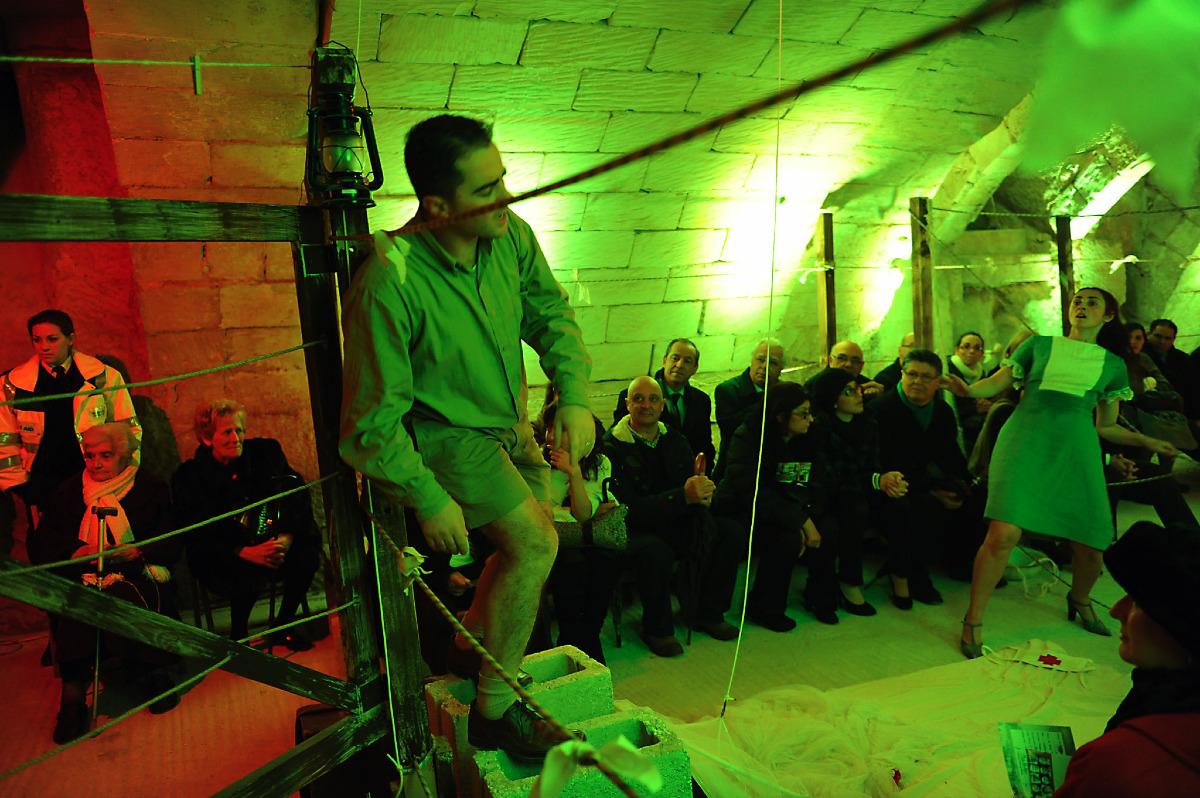
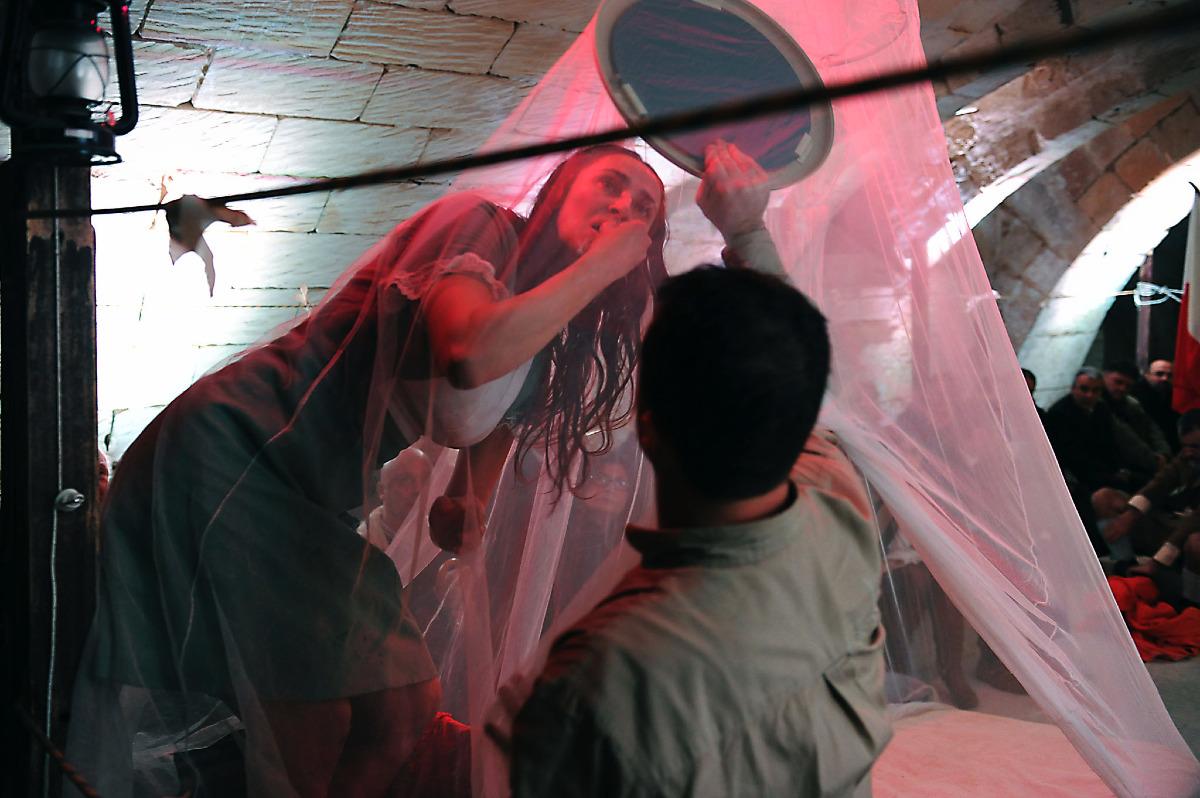
Guzeppi Scicluna Instead, Pino embarked on a quest to find his own answers. He collected memories, testimonials, artefacts, snippets, pored over newspapers and articles, met other relatives. The result is ID Internati u Deportati, a play which reimagines the human drama of those years of exile. It is also one man’s attempt to find answers to the questions his father can no longer answer, a reflection on the mystery that are our parents. And in some way it is a form of atonement: an attempt to record the forgotten experiences of the Maltese deportees whose lives were played out in the drama of the second World War. Originally conceived 17 years ago with Guzeppi Schembri Bonaci, the project has been a long time coming. The two created a monologue, with Pino performing a one-man show. Then four years ago, he rewrote the script, expanding it into a play with three actors: his partner Katia Capato from the Laboratorio Permanente di Ricerca sull’Arte dell’Attore, Glen Calleja and Pino himself. Each represents a type, playing more than one character: the workers, the women and the intellectuals. Covering the period from the internment in 1940 to repatriation in 1944, it ends with the return of the deportees to Malta. Some of these were distinguished members of Maltese society. They included Chief Justice Sir Arturo Mercieca, the head of the Maltese judiciary; the Leader of the Opposition Nerik Mizzi; the president of the Catholic Action Herbert Ganado; Vincenzo Bonello, curator of the local museums and Mgr Pantalleresco, a distinguished prelate. Others – like Pino’s father, a fitter at the drydocks – were humble workers. Their deportation was a way of denying their existence. “For most of them we do not know anything about them except their photo… Who is the person behind the photo? What is his story?” Some of these are almost unbearably moving, says Pino. Most were arrested at home or at work, with no time for farewells. All contracted malaria during their exile, some contracted yellow fever. Their detention was to change their lives forever. Life in Uganda He relates the story of how, when they arrive in Uganda after a gruelling two-month journey, one of them – Guido Abela – learns that his wife, left behind in Malta, had died in the war. His request to have his family go with him had been denied. He will only be able to visit his wife’s grave on his repatriation in Malta two years later.
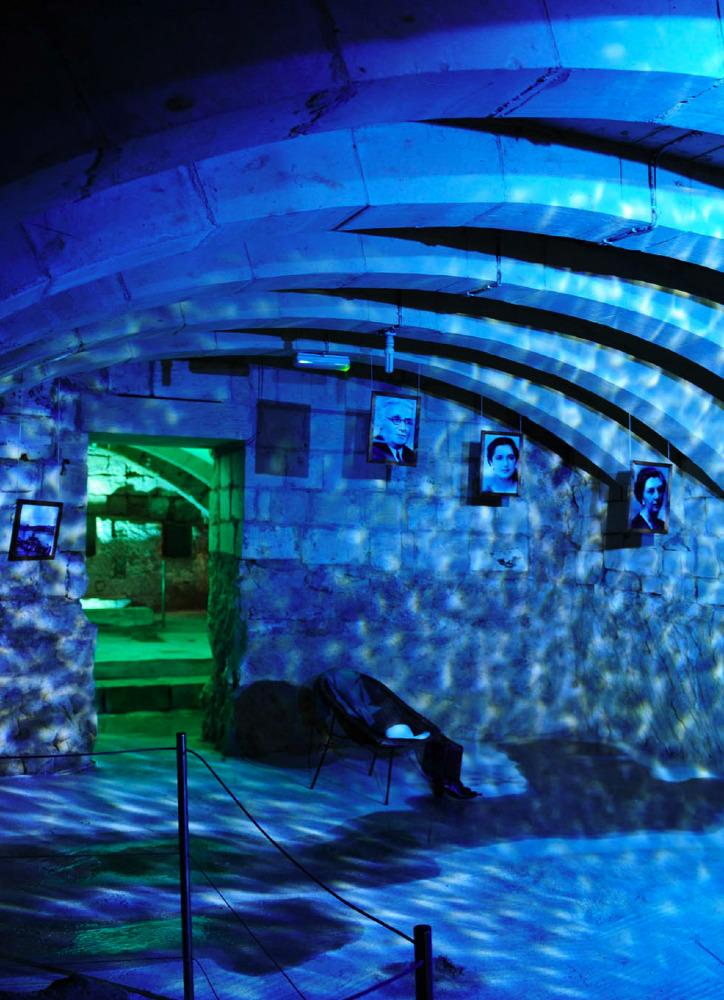
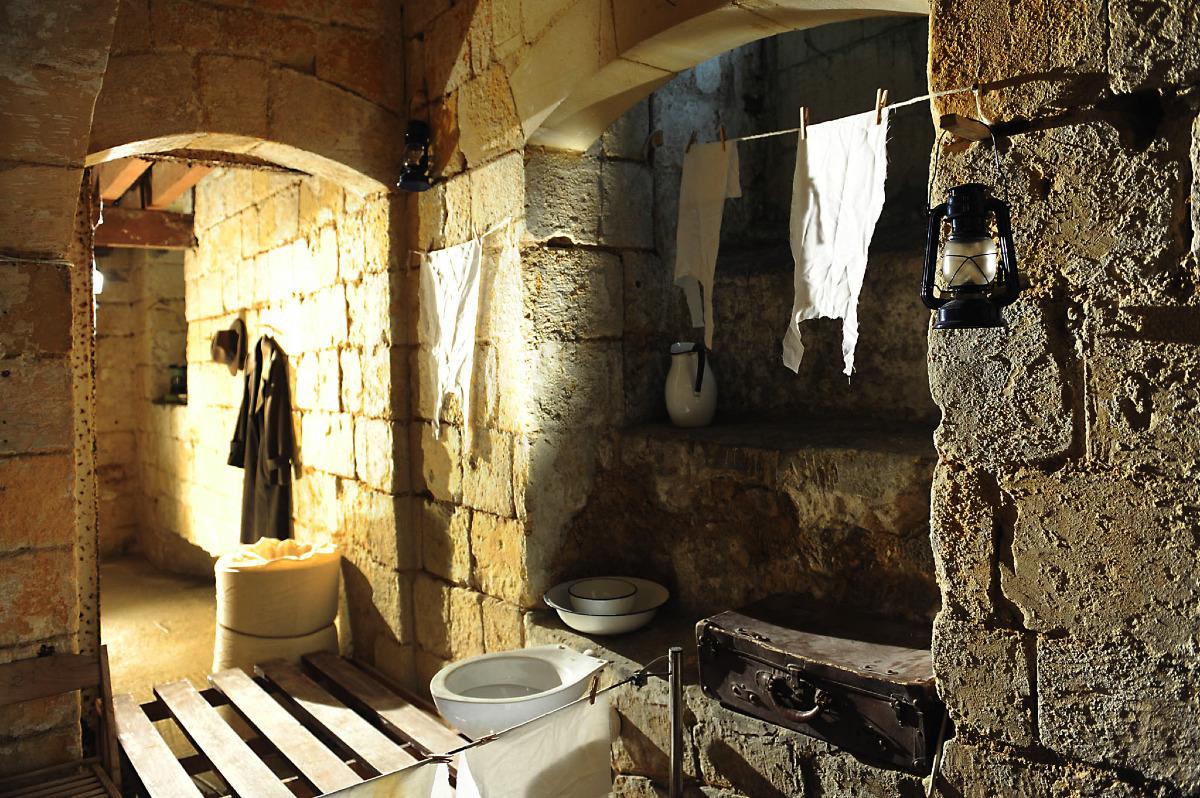
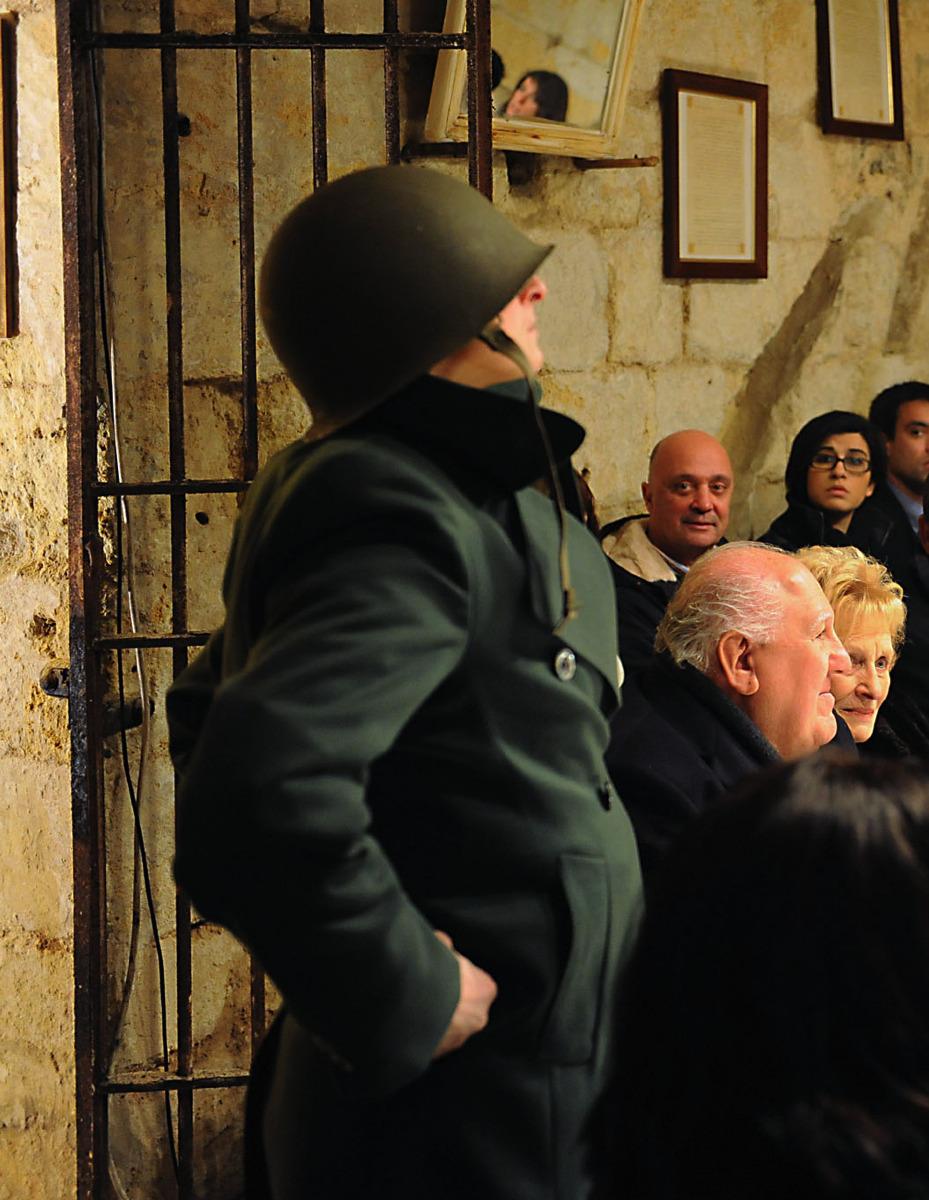
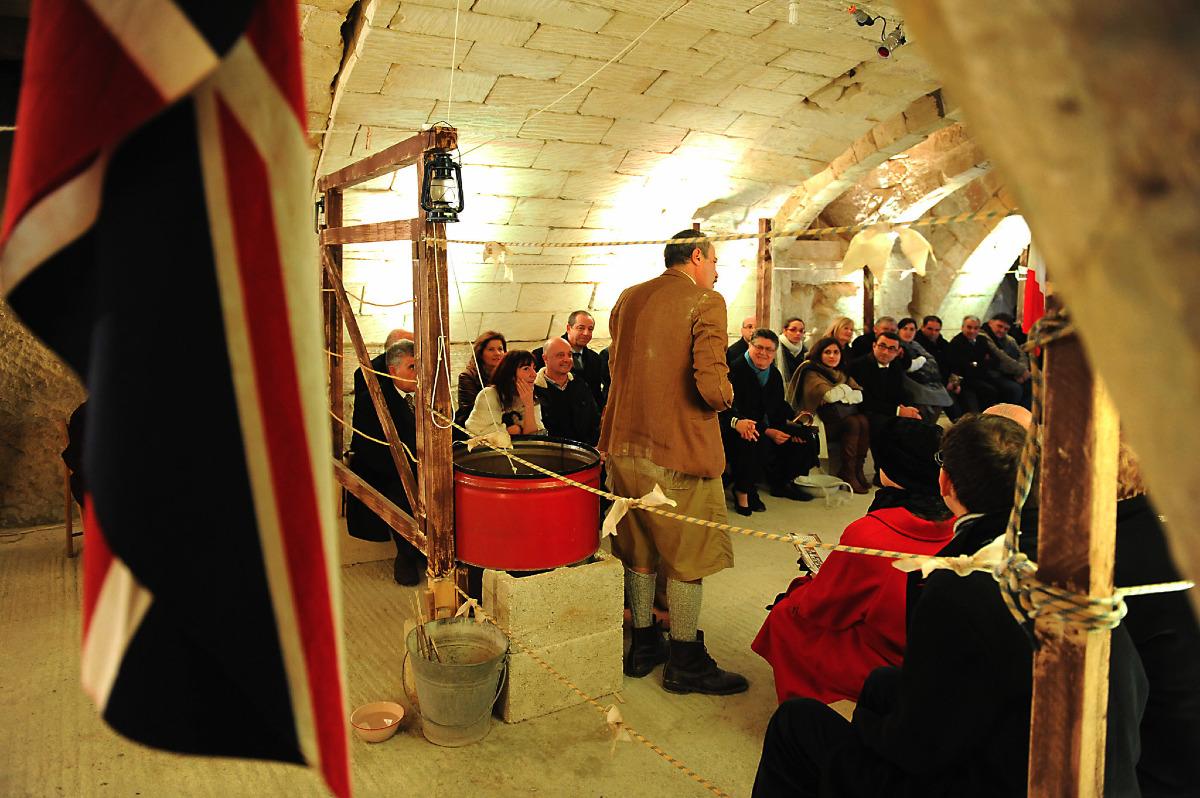
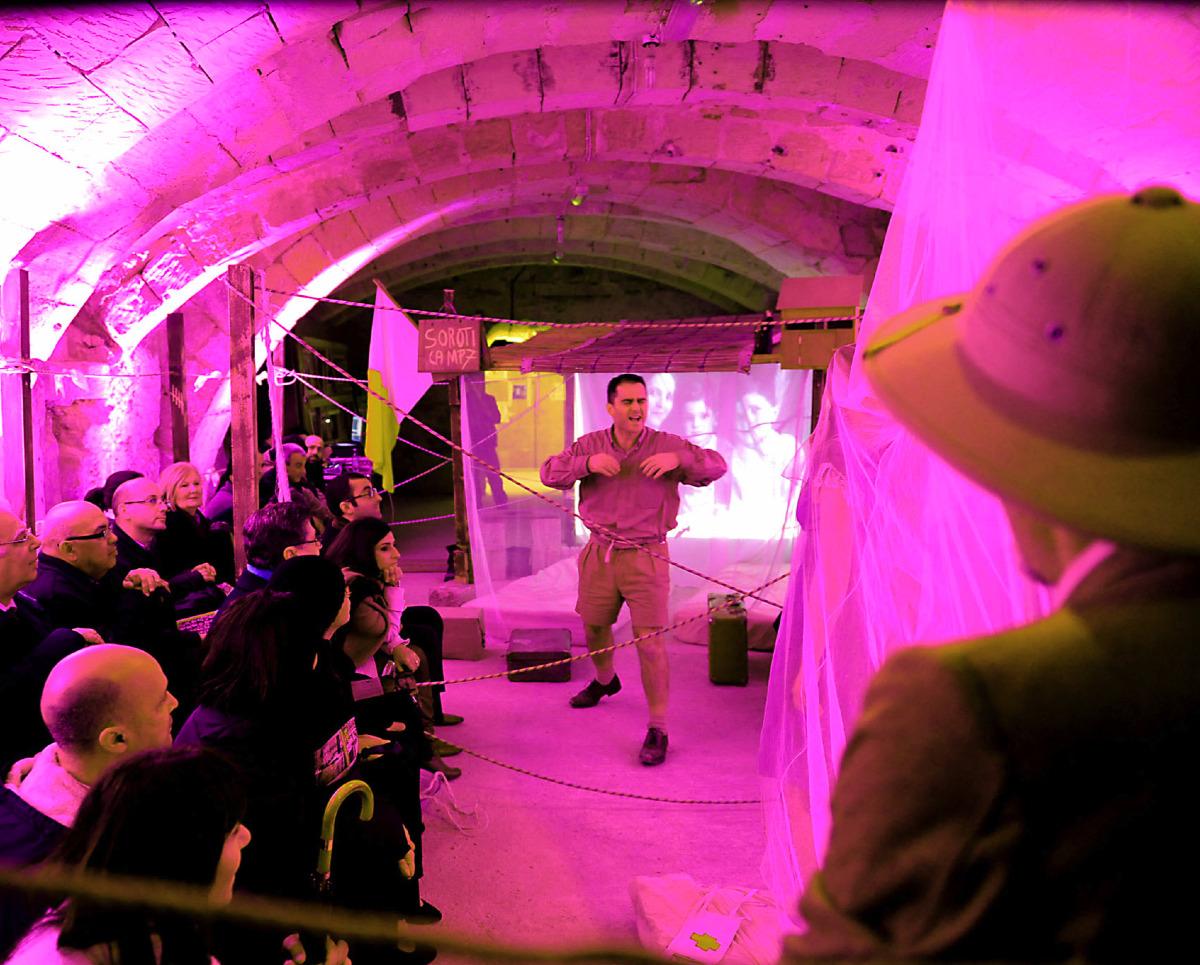
Despite the tragedy, the heartbreak, a few of them lived in hope. “I will make heaven on this camp.” Pino quotes Edgar Soler, who was to go on to marry one of the European women living in a neighbouring camp. Beyond the political sphere, in fact, Pino explores the human drama, the relationships, the friendships, the jealousies. He speaks of his father’s cheerfulness; the valiant efforts to retain their dignity and interest in life “In Uganda they were in a sort of limbo but, in some strange way, the experience saved them,” says Katia Capato. “There they were almost protected from the reality of war.” Once, they were taken on a visit to the surrounding area: they meet other people, children. Some record their wonder at the strange land. “Beyond the charges of being fascist sympathisers, they were people who were hit by the war in this way, they lived through this experience.” This experience is what Pino attempts to recreate. There is no stage, the audience is in the camp with us. We are together in a space that recreates the camp. The spectator will physically cross the space to make the journey – the transition from Malta to Uganda. The vaults – with their sense of confinement – will help convey the prisoners’ anguish. Returning back home At the end of the war, when they finally return to Malta, they have been marked. “No one imagines what they have been through.” Yet nothing exists to commemorate these people, says Pino. Calls for the erection of a monument were shot down in the local newspapers. “Are they heroes or traitors? I do not know…” Perhaps the truth is never as straightforward as we think. Or perhaps there are many truths… One thing is certain: “The more we understand the past, the better we can handle our future.”
History professor Henry Frendo agrees that a monument should be erected. “Currently the only slight token is a marble slab in the law courts with the names of the deportees.” Were they really Fascist sympathisers? “I didn’t X-ray their hearts. But this was wartime, and much was based on prejudice and suspicion. This had been building up. How do you prove that they were traitors if you don’t charge them with anything? Who proved these people guilty? They were not even charged, let alone convicted. Personal traumas are not printed in a newspaper – they may be printed in people’s memories, until even they are forgotten.” The war was such a cataclysm, that much has been submerged under war hysteria and propaganda. “Even now certain things need to come to light. I just hope that we have not lost the continuity between past and present. A future without a past, how does that happen?” He shrugs. “I don’t know how far it can be bridged – or who cares.” History needs to be reclaimed, he says, but for this to happen, we need to know it. “I think colonialism – and the divisiveness it fans – are still with us in many ways.” Pino’s story forms part of the fabric of the country’s past. Many things are created in an attempt to raise personal questions. It’s a big hurt and I don’t think there has been closure. Pino would agree. “Perhaps through this experience… my father is answering my questions.”
ID Internati u Deportati, sponsored by the Malta Arts Fund and the OPM, will be held at the Castille Vaults, Auberge de Castille between 13-17 February at 8 pm. Seating is limited. Prof Henry Frendo’s book, “Europe and Empire: Culture, Politics and Identity” will be published by Midsea books later this month.
Genere
| TEATRO | Contemporaneo |